Wrigleyville Residents Demand Stricter Rules for Cubs' Parking Lot Expansion
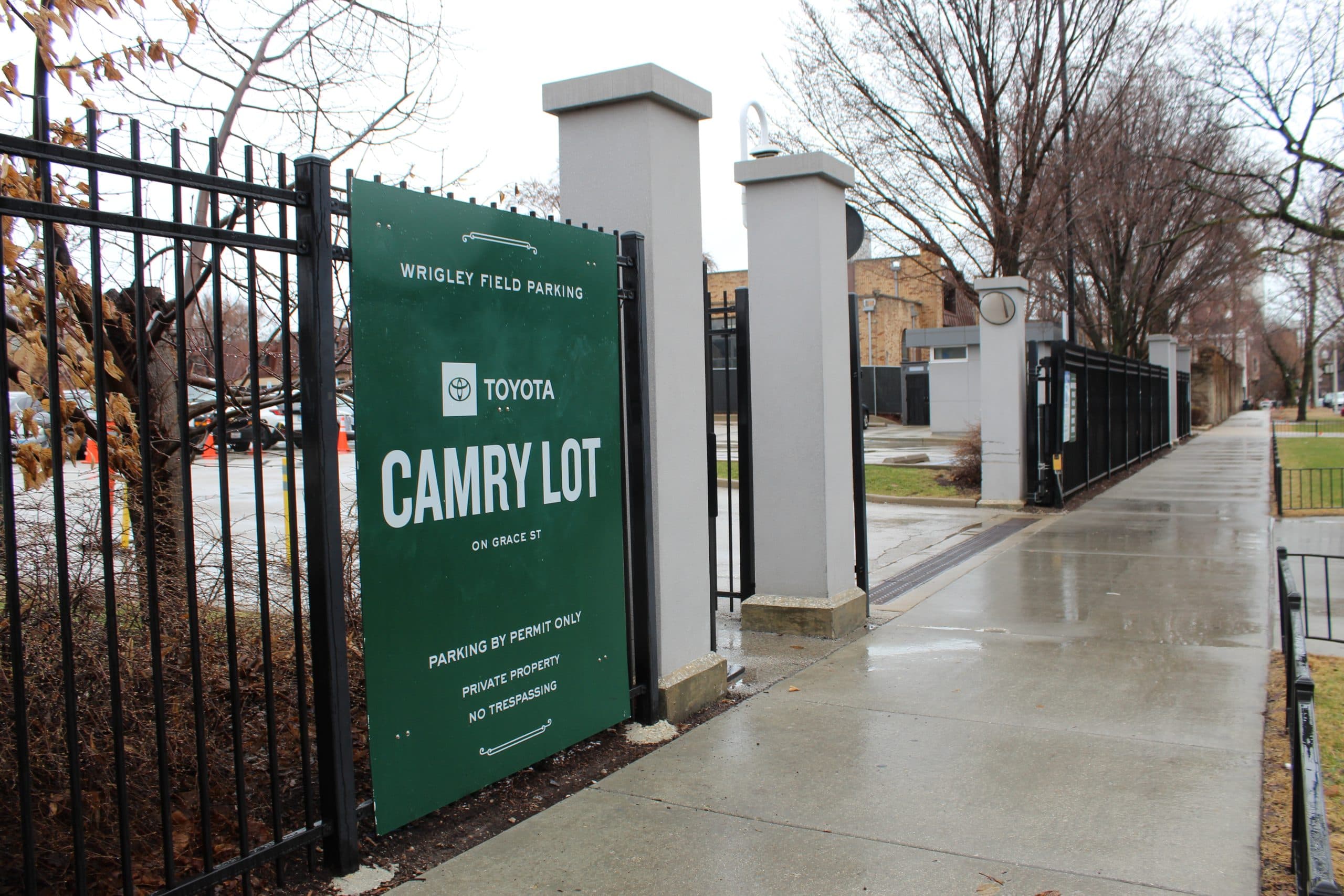
Wrigleyville residents are pressing city officials to force the Chicago Cubs to follow city landscaping and stormwater rules before signing off on a plan to expand parking near Wrigley Field, arguing the team has skirted standards other developments must meet.
Residents in the 44th and 46th wards have gathered more than 1,600 signatures opposing the current version of the Cubs' plan to grow the Camry Lot from 688 spaces to as many as 947 by folding in the former House of the Good Shepherd property, which the team bought last year from Catholic Charities after the nonprofit relocated its women's shelter. The petition asks Ald. Bennett Lawson (44th) and Ald. Angela Clay (46th) to write environmental, traffic and privacy protections into the planned development amendment the project needs before it can move forward.
The fight over the lot has been building since March, when the Cubs first outlined the expansion. It escalated in June when the team removed 29 trees from the former Catholic Charities property. That upset neighbors who had already been researching the city's planned development rules.
"We had done a great deal of research in advance about what the ordinances are, what planned development was, what the history of this particular planned development was, and what we thought were sensible and reasonable requests for the neighborhood," said Chuck Blasgen, a longtime Lakeview resident who has helped organize the opposition. "What really put the neighborhood over the edge was waking up to find the Cubs had put 29 trees through the wood chipper that were 30 to 50 years old."
Michael Lufrano, the Cubs' executive vice president of community, government and legal affairs, said the tree removal was tied to the planned redevelopment of the site and that the city had issued permits allowing the team to demolish the buildings there. He said the finished project will leave the property with more trees than it has now.
The expansion itself still needs sign-off from the Chicago Plan Commission and City Council. The Cubs say the additional 259 spaces would give fans who already drive to games somewhere to park other than residential streets, and would make it easier for older fans and people with disabilities to reach Wrigley Field using the lot's shuttle service.
The team had hoped to finish the work before Wrigley hosts the 2027 All-Star Game, but Lufrano said Thursday that timeline is no longer realistic for this construction season. He said the Cubs met with neighbors a few weeks ago and asked for time to respond to their concerns.
"We met a couple of weeks ago, and we said, 'Give us a couple of weeks to get back to you,'" Lufrano said. "We want to understand what their concerns are, and we want to be a good neighbor to the extent we can. We're going to try to address them."
Neighbors, Lawson's office and Clay's office met with Cubs representatives June 30 to go over a list of conditions residents want attached to the planned development. Those include more interior landscaping throughout the lot, replacement trees for the ones cut down, a public stormwater management plan, a traffic study, limits on how lighting and security cameras affect nearby homes, and a hold on further work until those issues are settled.
Residents argue the city's landscape ordinance requires a parking lot the size of the expanded Camry Lot to include far more interior greenery than what the Cubs have proposed, and they say the team should bring the entire lot, not just the new section, into compliance as part of the amendment process.
Traffic remains a separate point of dispute. Residents question whether adding nearly 260 spaces will make congestion around the ballpark worse rather than better. Lufrano said the Cubs plan operational changes meant to route exiting cars toward Clark Street and away from residential blocks.
"The new plan includes operational changes that are going to push traffic straight to Clark Street and have people who exit the lot to turn west so that they don't turn into the neighborhood," Lufrano said. "We're confident that the operational things we'll put in place will allow the neighborhood and the streets to absorb the additional cars."
Blasgen said the goal isn't to kill the project but to hold the Cubs to the same rules other developers face in the city.
Lufrano said the planned development process gives the team room to negotiate an alternative landscaping arrangement with the city and neighbors, pointing to other sports venues that have received similar accommodations in the past. He said the Cubs are reviewing residents' specific requests to see what they can incorporate.
No date has been set for the Chicago Plan Commission or City Council to take up the amendment. The Cubs now say the project won't be finished before this season ends. Lufrano said the team plans to send its response to Lawson's and Clay's offices in the coming weeks.