Sigcho-Lopez's Attorney Presses State Elections Board to Save His Ballot Bid
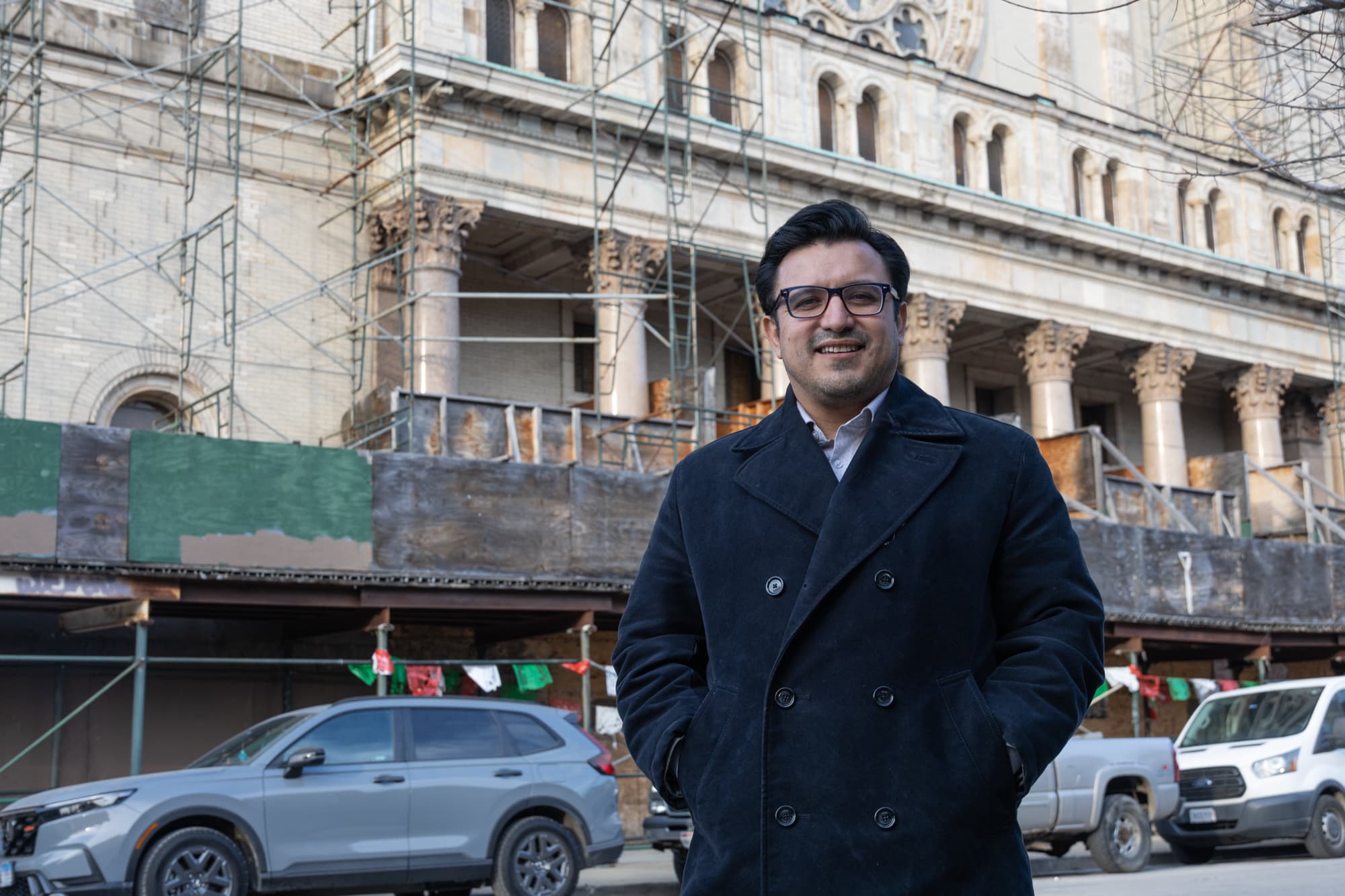
An attorney for Ald. Byron Sigcho-Lopez (25th) told the Illinois Board of Elections on Monday that the panel should err toward letting his client appear on the ballot for the 4th congressional district, arguing that independent candidates face a steeper climb than party-backed ones and deserve more room under the law.
Sigcho-Lopez entered the race as an independent after U.S. Rep. Jesús "Chuy" García dropped out last November, a move that left García's chief of staff, Patty Garcia, as the only Democrat on the ballot. Sigcho-Lopez and fellow independent Mayra Macias both jumped in, but three objectors challenged more than 10,000 of the signatures the pair submitted, leaving both short of the 10,816 signatures Illinois requires of independent candidates. Sigcho-Lopez said he turned in 17,304 signatures overall.
Sigcho-Lopez and Macias have said García and Garcia, who are not related, used "machine politics" to try to keep them off the ballot.
At Monday's hearing, Sigcho-Lopez's lawyer, Andrew Finko, sparred with the objectors' attorney, Ed Mullen, in front of hearing officer Barbara Goodman. Finko asked Goodman to favor ballot access over exclusion, saying independents lack the precinct captains and volunteer networks that established parties use to gather signatures.
"New parties and independents do not have an organized political structure of precinct captains, committeemen, and then all the other foot soldiers to go walk around there two or three blocks to get petitions," Finko said.
He went further, suggesting the board itself couldn't be trusted to rule fairly given the makeup of its members and the stakes of the coming midterms.
"Unfortunately the electoral board here is for Democrats, for Republicans. And in an extremely hotly contested midterm election that's upcoming, there is a high likelihood of bias," Finko said. "Because each member has their team that they're rooting for, and so they're not about to say, well, yeah, no, I'm gonna, I'm gonna just give somebody a break here."
Goodman cut him off.
"I think speculating on the board's positions and what the board will or won't do, or who they support, or who they don't support, does not further your argument at all," she said. "I think also the speculation is out of place in this hearing. So I understand that you think that the system isn't fair and I understand your arguments, but I think to impose your perception of what the board's position might be or isn't or could be is really out of place in this hearing."
Finko's central legal argument centered on a technical reading of the state election code. He contended that the statute repeats the phrase "residence address" three times but never explicitly requires that the address a signer writes on a petition match the address on file with their voter registration. Under that reading, more of the challenged signatures could count toward Sigcho-Lopez's total.
Mullen countered by pointing directly to the section of election law defining a "qualified voter" eligible to sign a nominating petition as someone "registered to vote at the address shown opposite his signature on the petition or was registered to vote at such address when he signed the petition." He told Goodman that any dispute over whether that standard is fair belongs in court or before the legislature, not at an administrative hearing.
"He's certainly welcome to raise any constitutional issues in court, but this is an administrative agency that is a creature of statute and has very specific direction and very specific rules in the election code," Mullen said. "And those rules require the board to determine whether or not a candidate has followed the rules that are set forth in the election code, regardless of whether Mr. Finko or other people believe those are unfair or onerous."
Mullen added that even if the board accepted Finko's interpretation of the residence-address language, it still wouldn't hand Sigcho-Lopez enough recovered signatures to clear the 10,816 threshold.
Illinois election law sets different signature requirements for party-backed candidates and independents. Candidates from established parties need signatures from just 0.5 percent of qualified primary voters in their party within the district. Independents like Sigcho-Lopez and Macias must collect signatures from between 5 and 8 percent of everyone who voted in the district's last general election.
The Illinois Board of Elections is expected to issue a recommendation on Sigcho-Lopez's ballot status at its meeting on July 14. Macias, who filed her own petitions and faces the same signature shortfall, is working through a parallel challenge. If the board rules against Sigcho-Lopez, his options narrow to an appeal in court, leaving Patty Garcia as the only name Chicago's 4th district voters would see on the ballot in the race to succeed García.