Illinois Sets All-Time Tornado Record as Leaders Warn FEMA Aid May Fall Short
Illinois Sets All-Time Tornado Record as Leaders Warn FEMA Aid May Fall Short
Illinois has set a record for the most tornadoes ever documented in a single year — and it is only June. Now, as communities across the state dig out from the latest round of deadly storms, the state's top officials are sounding the alarm that the federal help survivors desperately need may not arrive fast enough, or at all.
A Historic and Deadly Tornado Season
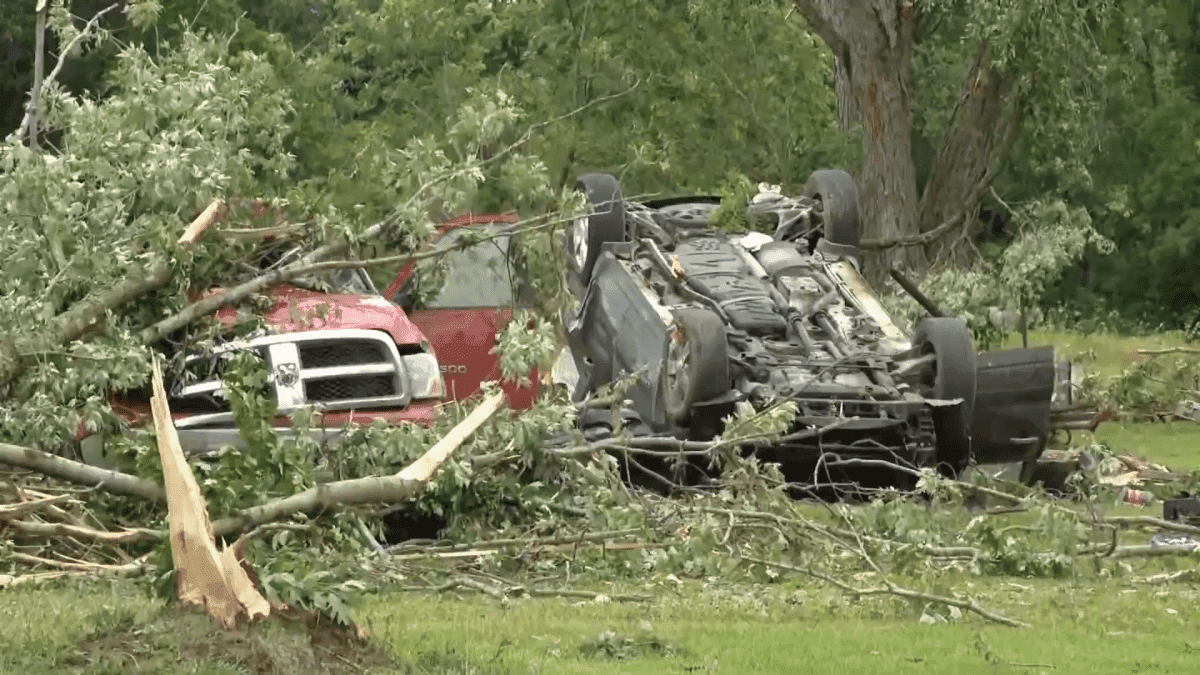
With 196 confirmed tornadoes logged by the Storm Prediction Center so far in 2026, Illinois has surpassed its highest tornado count since records began — and the year is far from over. The milestone comes on the heels of a particularly devastating weekend, when at least two people were killed in southern Illinois after severe storms tore through the region Sunday night. Multiple communities reported significant damage, and residents have begun the slow, exhausting process of cleanup and recovery.
Meteorologists point to a broader atmospheric shift as a key driver behind the surge. What was once known as "Tornado Alley" — centered on the southern plains and Texas — has been drifting eastward in recent years, drawing the Midwest, and Illinois in particular, into the heart of America's most volatile storm corridor. Warming temperatures are also believed to be fueling conditions that produce stronger, more frequent severe weather events.
Leaders Warn of a Weakened FEMA
Even as storm damage is still being tallied, Illinois Gov. JB Pritzker stepped before cameras Monday to voice serious doubts about the federal government's ability and willingness to respond. Under standard disaster assistance protocol, affected counties must first declare a disaster, after which the state compiles damage assessments and submits a formal request to the Federal Emergency Management Agency. As of Monday, FEMA confirmed it had not yet received any such requests related to the most recent storms.
But Pritzker's concern goes beyond paperwork and process. "FEMA is a mess," the governor said bluntly. "They've cut back significantly on the support that they give when there are emergencies. They are slow in responding with the dollars that they promise."
On the Senate floor, U.S. Sen. Dick Durbin echoed those worries, pointing specifically to what he called an inadequate federal response to severe storms that battered Illinois last year. "I'm concerned that FEMA will not display the same level of urgency after its refusal recently to assist thousands of Illinoisans impacted by severe storms last year," Durbin said. He called on federal officials to set politics aside when evaluating disaster aid requests. "Disaster relief is no place to play politics. Think about the families who have been touched by tornadoes."
The concerns from both officials come against the backdrop of the Trump administration's push for states to take a larger role in disaster response, a policy direction that critics argue leaves storm-ravaged communities exposed when they can least afford it.
What Comes Next
For the families in southern Illinois and beyond who are still clearing debris, patching roofs, and trying to piece their lives back together, the stakes of this political and bureaucratic standoff could not be higher. State and local officials will continue assessing damage in the coming days before formally requesting federal assistance — a process that can take weeks even under ideal circumstances.
With Illinois in the midst of its most active tornado year on record and the peak of storm season still underway, the pressure on both state and federal leaders to deliver a swift, meaningful response is only going to grow.