City Watchdog Says Chicago's Rat Control Plan Won't Fix the Problem
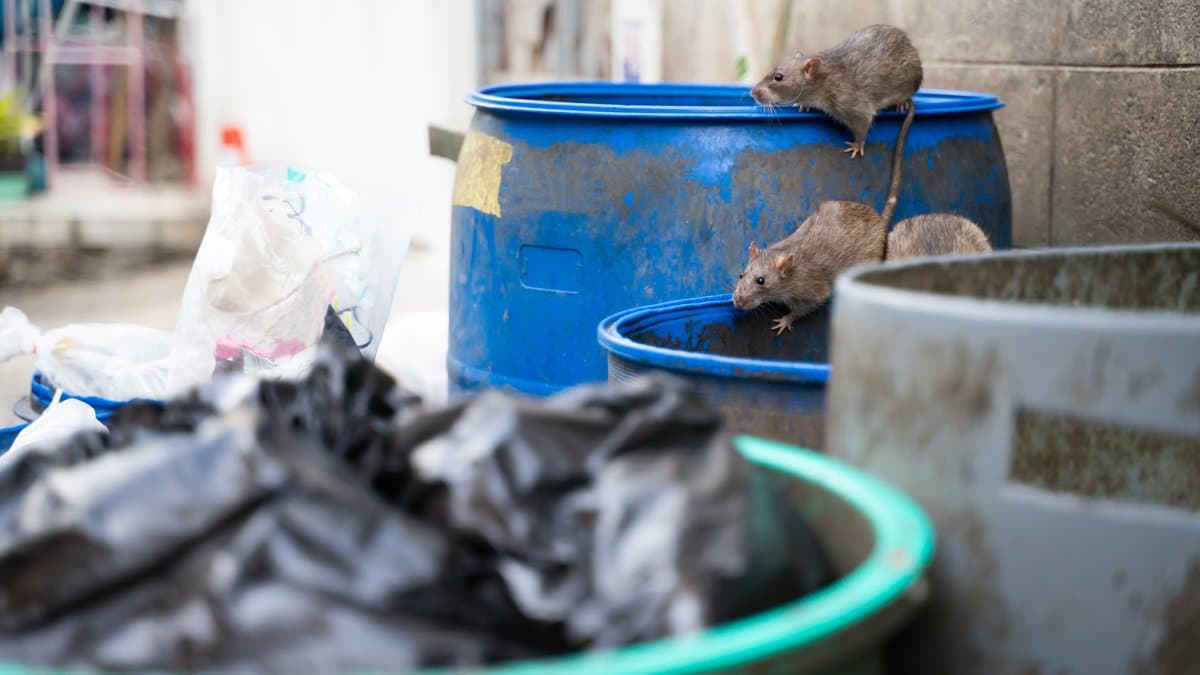
Chicago's rat problem isn't getting solved, and according to the city's own watchdog, the way City Hall is fighting it guarantees that won't change.
A report released Tuesday by the Office of Inspector General concludes that the city's dedicated rat control program is "unlikely to achieve longterm control of the rat population" because it leans almost entirely on reacting to complaints rather than tackling what draws rats to a block in the first place.
The audit examined the Department of Streets and Sanitation's Bureau of Rodent Control from July 2023 through July 2024, a stretch that lines up with Mayor Brandon Johnson's first year in office. Investigators measured the bureau's work against Integrated Pest Management, an approach backed by the federal government and the Illinois Department of Public Health that calls for monitoring conditions over time, setting thresholds for when to intervene, and treating poison as a last resort rather than a first response.
Chicago's program didn't do that, the report found. Crews mostly poisoned rats block by block after residents called 311, without surveying why infestations kept popping up in the same areas or tracking conditions that lead to repeat problems. The bureau, the report states, "did not survey or monitor the root causes of rat infestation over time. It treated individual complaints to 311... as thresholds for action rather than targeting interventions based on overall impacts to quality of life, economic activity or public health."
The inspector general found the city's "primary goal was to poison rats in response to complaints rather than addressing the root causes of rat infestations while using poison as a last resort." That's the opposite order of operations recommended by pest management standards, which call for sanitation fixes and structural repairs first, with monitoring built in and poison used as a backup when those measures fail.
The report does note that residents share responsibility for keeping rat populations down, since uncollected garbage and other refuse left in alleys give rats what they need to thrive. It also states that the sanitation department told investigators it has made changes to the rodent abatement program in the two years since the audit period ended, though the report doesn't detail what those changes accomplished.
The audit didn't measure whether the city's approach has actually changed rat numbers citywide, but complaint data gives a rough picture of the trend. Chicagoans filed about 35,000 rat complaints in 2010 and 41,000 in 2019, according to a 2023 investigation by Block Club Chicago and the Illinois Answers Project. Complaints jumped to 54,000 in 2020 as the pandemic hit, then spiked to nearly 66,000 in 2021 before falling back to roughly 50,000 the next year. The number has ticked down since, with the city's data portal showing about 44,000 rodent baiting and rat complaints logged to 311 in 2025.
Rats have stayed a fixture of Chicago's alleys and parks regardless. Orkin, the pest control company, named Chicago the country's "rattiest city" for years running before the city dropped to second place behind Los Angeles last year. The city's sanitation department has dismissed that ranking as a marketing gimmick rather than a real measure of the problem.
The inspector general's report lays out changes the rodent control bureau should make to bring its work in line with Integrated Pest Management. It recommends proactively surveying rat populations and the conditions that sustain them across the city instead of waiting for 311 calls, setting "tolerance levels" for rat activity in specific areas so the city can measure whether its efforts are working, and prioritizing sanitation and education over poison whenever possible. The report also recommends training staff in other city departments, including those overseeing housing, parks and public health, on rodent abatement so infestations tied to those areas get addressed at the source rather than passed off to Streets and Sanitation alone.
The report doesn't say whether the department has agreed to adopt those recommendations or set a timeline for doing so. Streets and Sanitation will need to respond to the inspector general's findings, and any changes to how the bureau operates would likely show up in future budget requests or program updates from the department.