Pitchfork Sues Festival Co-Founder Mike Reed Over $564,680 in Missing Funds
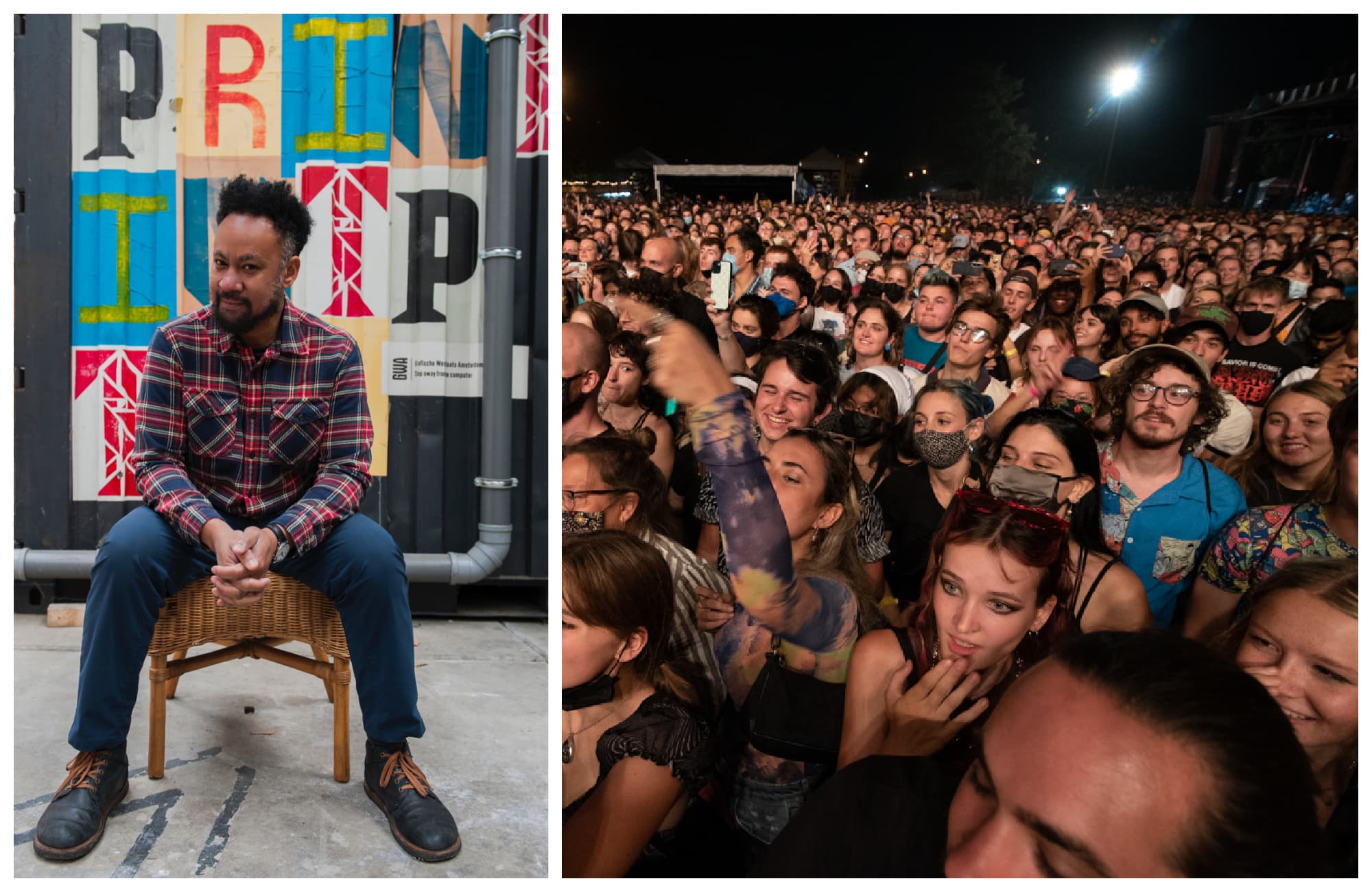
Pitchfork Festivals LLC has sued the music festival's co-founder, Mike Reed, accusing him of siphoning off more than half a million dollars from the event's bank accounts after the Chicago fest was cancelled in late 2024.
The lawsuit, filed this week in federal court in Chicago, claims Reed kept $564,680 that he falsely attributed to expenses he said he'd already incurred while preparing for a 2025 edition of the festival that never happened. Rather than returning the unused money, the complaint alleges, Reed quietly moved it out of the company under contract with Pitchfork and into a separate entity he controls.
Pitchfork announced in November 2024 that it was ending the annual Union Park festival after nearly two decades. The lawsuit lays out what happened with the festival's finances in the months after that decision. It states that a settlement report Reed submitted, which Condé Nast, Pitchfork's parent company, says was built backward from a target number rather than from actual costs.
According to the complaint, Reed's event production company, Big Stik LLC, signed a contract with Pitchfork in 2019 to run logistics for the festival, including opening and managing a dedicated bank account for festival funds. Pitchfork advanced Big Stik nearly $3.97 million for what would turn out to be the final festival in 2024. Pitchfork's head of procurement, Alys Wood-Bibby, told Reed shortly after the 2024 event wrapped that Condé Nast intended to move forward with a 2025 festival. But the two sides never signed a scope-of-work agreement for 2025, and Reed never submitted a budget or requested funds for that year's planning, the lawsuit states.
When Condé Nast ultimately called off the 2025 festival, Reed raised no objections and made no claims about wind-down costs at the time, according to the complaint. It wasn't until January 2025, during a routine year-end reconciliation of the festival's accounts, that Condé Nast's finance director discovered that $564,680 of the original advance was unaccounted for and contacted Reed about it.
Reed responded with what the lawsuit calls a "Wind Down Settlement Report," claiming the money had gone toward labor, production and cancellation fees, storage, legal work, accounting and taxes tied to the scrapped 2025 event. He wrote that spending had started as soon as Condé Nast told him to proceed with planning for the following year.
Pitchfork's attorneys say that explanation doesn't hold up. The lawsuit alleges that a large share of the costs listed in Reed's report hadn't actually been incurred as of Jan. 9, 2025, when Condé Nast's finance director first flagged the missing money. "The figures were not based on actual costs incurred," the complaint states. "They were reverse engineered to consume the precise balance remaining in the Event Account."
The dispute has already been raised in arbitration. During an April 28 deposition connected to that proceeding, Reed was asked whether the specific dollar figure Condé Nast's finance director had cited to him shaped the numbers in his settlement report. He answered, "It may have," according to the lawsuit.
During that same deposition, Reed reportedly acknowledged transferring the disputed funds out of Big Stik's account and into the operating account of another company he controls, At Pluto Ltd., without notifying anyone at Pitchfork or Condé Nast beforehand. He also said Big Stik's account no longer held any of the money by the time of his deposition.
The lawsuit also points to inconsistencies in a spreadsheet Reed produced during arbitration as backup for his settlement figures, saying the numbers in it don't match his written report and that some entries are dated after the report was submitted.
Pitchfork's complaint brings claims of fraud, fraudulent misrepresentation, unjust enrichment, breach of fiduciary duty, conversion, accounting and fraudulent transfer. Pitchfork's attorneys argue that letting Reed shield himself behind separate corporate entities would let him keep the money personally while leaving Big Stik as an empty shell unable to cover any judgment against it. "Reed has already demonstrated his willingness to transfer funds between entities without notice or authorization," the complaint states, adding that nothing stops him from doing so again with any remaining assets.
Pitchfork's attorneys are asking the court for both preliminary and permanent injunctive relief against Reed and At Pluto Ltd., which would aim to freeze or restrict further movement of the disputed funds while the case proceeds.
Messages seeking comment from Reed, a spokesperson for him and the law firm that represented him in the earlier arbitration were not returned. An attorney representing Pitchfork Festivals LLC and Condé Nast also did not respond to requests for comment.
U.S. District Judge Martha Pacold has ordered both sides to file a status report by Aug. 12. She has also directed Pitchfork Festivals LLC to identify its members and their citizenship by July 22 so the court can confirm it has jurisdiction over the case. Reed has continued producing music events in Chicago since Pitchfork's shutdown, including a five-day festival called Sound & Gravity held across six city venues in September 2025.