Mystery Plane That Delivered Cartel Kingpins to a Chicago Courtroom Now Sits in a Museum, Fueling a Diplomatic Fight
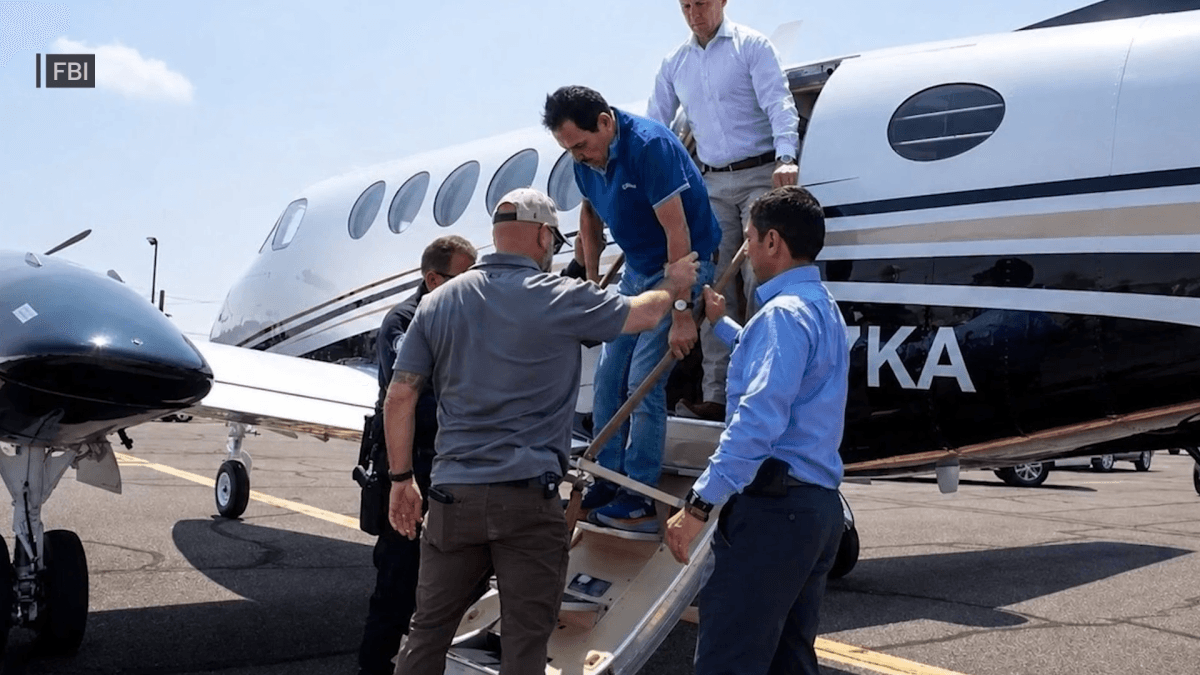
A small turboprop plane that dropped two of the world's most powerful drug traffickers into U.S. hands almost two years ago is now on display behind glass at a New Mexico aviation museum, chip bags and soda cans from the flight still inside.
The aircraft carried Ismael "El Mayo" Zambada, the 76 year old co-founder of the Sinaloa cartel, and Joaquín Guzmán López, one of the sons of imprisoned drug lord Joaquín "El Chapo" Guzmán, across the border into New Mexico in late July 2024. Federal agents were waiting on the tarmac. Guzmán López was flown from there to Chicago, where he has since pleaded guilty and is cooperating with prosecutors in a case built around a cartel operation federal investigators say supplied roughly 80% of the drugs sold on Chicago's streets over the past three decades.
How that plane actually got in the air, who arranged it, and whether it amounted to a covert U.S. operation on Mexican soil, has never been fully explained. Mexico's government now says the American account of that flight is false, and the dispute has become a diplomatic argument over sovereignty, extradition law and whether the United States ran an unsanctioned operation to remove two cartel leaders from Mexico.
The FBI's El Paso field office says the bureau owns the plane and donated it to the museum. One FBI official there called it a symbol of a win in the drug war. It is an unusual second act for an aircraft at the center of a case that has drawn in a former U.S. ambassador, Mexico's president, and a Chicago prosecution that helped take down two of the most wanted men in the hemisphere.
Zambada and Guzmán López ran a trafficking network that moved fentanyl, heroin, cocaine and methamphetamine north through Mexico and into cities including Chicago for decades. Zambada co-founded the Sinaloa cartel with El Chapo and kept the organization running while El Chapo served a life sentence in a U.S. federal prison. Guzmán López, one of the so-called "Chapitos," helped direct cartel operations in his father's absence.
When the two men landed in New Mexico, they didn't come through any extradition process. There was no treaty paperwork, no formal handover ceremony, nothing that matched how the U.S. and Mexico typically move high-value defendants across the border. They simply appeared, and U.S. agents took them into custody.
Mexican President Claudia Sheinbaum's administration and the country's top justice officials have since accused the United States of running an illegal operation to get the two men out of Mexico, arguing it may have violated extradition treaties between the two countries. They have specifically accused former U.S. Ambassador to Mexico Ken Salazar of lying about what happened.
Salazar has pushed back publicly, writing on social media that it was "not our plane, not our pilot, and not our operation. The truth is the truth." He has a book coming out this month that, according to early accounts, will argue Mexican officials had reason to worry the cartel leaders could expose corruption inside Mexico's own government if they stayed in the country.
Mike Gannon, a retired assistant special agent in charge at the DEA's Chicago division, says he has no doubt federal law enforcement knew something about how that plane got in the air, even if the full story hasn't come out. He argues Mexico is asking the wrong question.
"They're two of the most powerful people in the drug trafficking world. And they were charged. They got to the United States and they're being held accountable," Gannon said. "At the end of the day, I don't see anything wrong with that. They should be questioning why they weren't able to apprehend them for all these years."
The legal fallout from the flight has mostly played out away from a courtroom. Guzmán López has pleaded guilty in federal court in Chicago and is awaiting sentencing. Zambada has also pleaded guilty and is scheduled to be sentenced in Brooklyn a week from Monday. Because both men gave up their right to a trial, no evidence about the flight will be presented publicly, and no one will be forced to testify under oath about who chartered the plane, who flew it, or what was promised to get Zambada and Guzmán López on board.
That leaves Chicago with an unresolved detail attached to one of the biggest cartel prosecutions the city's federal courthouse has seen: a case built on cooperation from a trafficker whose own arrival in U.S. custody has never been explained, tied to a dispute between two governments that have spent decades trying to coordinate on the drug trade.
The plane itself, snacks and all, remains on display in New Mexico. Zambada's sentencing in Brooklyn next week is the next scheduled event tied to the case.