Mayor Johnson Signs Executive Order Creating Office of Gun Violence Reduction — But Skeptics Ask: Will It Work?
Mayor Johnson Signs Executive Order Creating Office of Gun Violence Reduction — But Skeptics Ask: Will It Work?
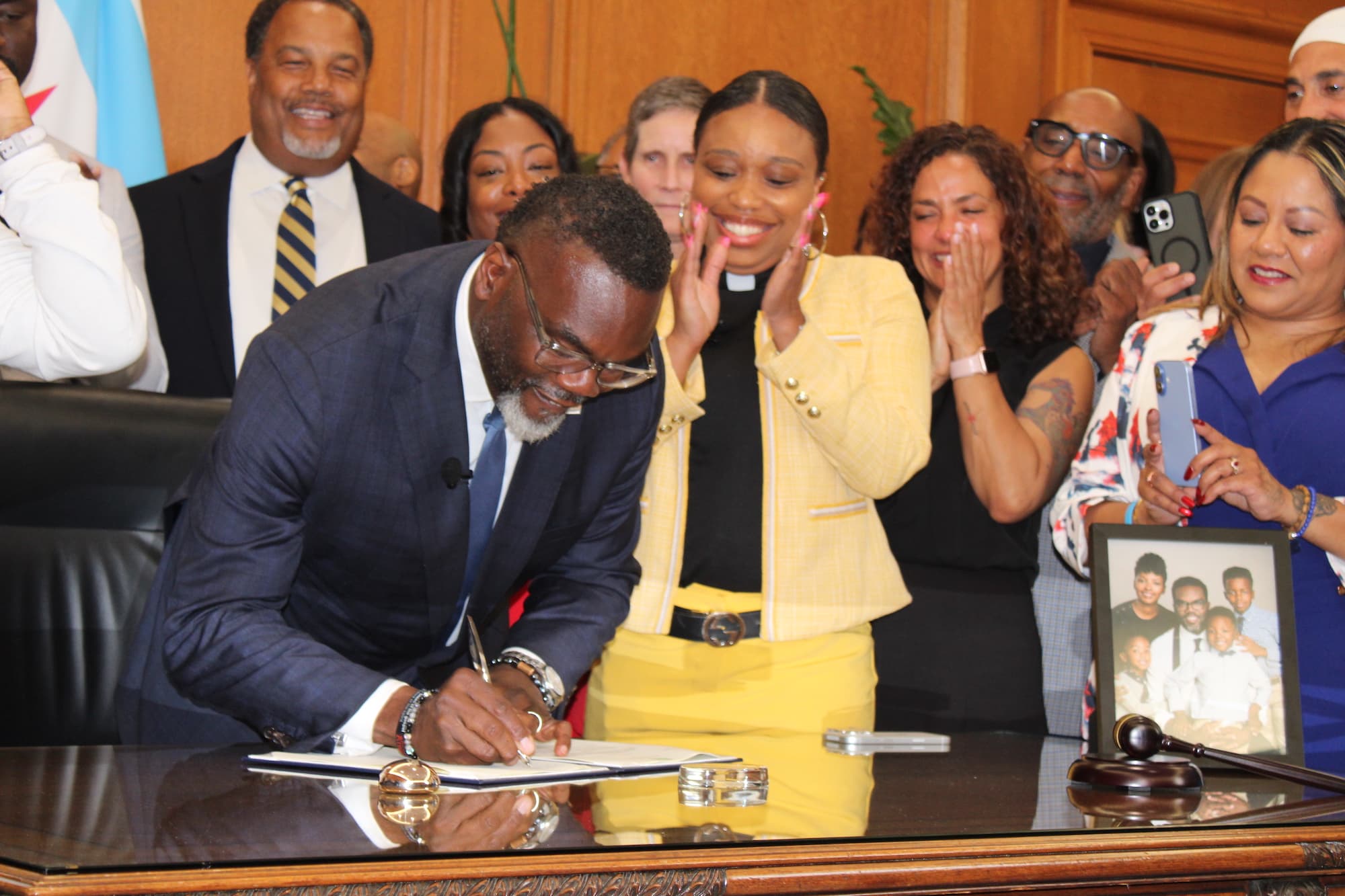
Mayor Brandon Johnson signed an executive order Thursday creating a new Office of Gun Violence Reduction, positioning it as a long-overdue structural fix to how Chicago fights deadly shootings — but critics on the City Council and within the community are questioning whether reshuffling city bureaucracy will actually save lives.
What the New Office Will Do
The newly established office will initially operate within the Mayor's Office, led by Emmanuel Andre, who will simultaneously continue in his current role as the city's Deputy Mayor for Community Safety. The office will not replace the existing Office of Community Safety but will work alongside it.
Under the executive order, the office will designate neighborhoods with elevated levels of violence as "Community Safety Priority Zones" to better concentrate anti-violence resources where they are most needed. It will also create an interagency cabinet of city department and agency leaders to coordinate public safety strategies, and it will publish monthly reports collecting gun violence data and tracking intervention efforts. A 17-member community advisory council, drawn from community groups and violence intervention organizations, will help shape the office's guidelines.
Johnson framed the initiative as a way to streamline the city's anti-violence work, which he said has been fragmented across multiple departments for too long.
"By establishing this centralized structure, we will be able to deliver resources and services quickly and strategically and effectively to the communities that need it the most," Johnson said. "The work that has stretched across multiple departments, not only does it interrupt productivity, that's too much pressure on departments that have multiple tasks."
The mayor also emphasized a focus on young Black men, describing them as the demographic most likely to experience gun violence and trauma.
The Push Toward a Permanent Department
Thursday's executive order is just the first step. Johnson is backing a proposed ordinance that would elevate the office into a full-fledged city department — on par with agencies like the Chicago Department of Transportation or Streets and Sanitation — granting it greater funding authority, procurement power, and more staff.
Supportive aldermen are expected to introduce that legislation to the City Council next month, with debate anticipated during the city's budget process this fall. Anti-violence advocates and community leaders have called for the eventual department to carry an annual budget of at least $100 million, with much of that money potentially redirected from public safety allocations already existing elsewhere in the city budget. Johnson did not attach a specific dollar figure to the initiative Thursday.
The push echoes Johnson's 2024 revival of the city's Department of Environment, which had been dismantled more than a decade earlier. Johnson drew that comparison directly, arguing the same logic applies to anti-gun violence efforts.
The announcement came days after anti-violence activists held a news conference renewing their years-long push for a standalone department — and in the wake of a drive-by mass shooting in the Princeton Park neighborhood on the Far South Side that wounded at least 14 people.
A Backdrop of Rising Violence
The timing is significant. In 2025, Chicago recorded 416 homicides, the lowest total in 60 years, according to police data. But 2026 has brought a troubling reversal. Through late June, the city has recorded 198 homicides, up from 182 during the same period last year, and 647 shootings, up from 614. The Juneteenth weekend alone saw at least 39 people shot, six fatally.
Skeptics Voice Concerns
Despite the fanfare surrounding Thursday's signing, skepticism was quick to surface — from both City Hall and the community.
The chair of the City Council's public safety committee said he expects the ordinance to receive a fair hearing but expressed doubt that reorganizing city offices will translate into fewer shootings.
"I don't see a direct cause and effect with rearranging the desks and the furniture and titles to a reduction in crime," he said, adding that he believes the city should instead focus on greater support for law enforcement and holding repeat violent offenders accountable.
He also raised concerns about financial oversight, warning that a new department empowered to issue contracts to violence interruption agencies could be "vulnerable to fraud" without rigorous accountability mechanisms.
Some community voices echoed those concerns from a different angle. A pastor who runs a violence intervention organization said she was not consulted in crafting the plan and fears the new office could become a vehicle for funneling money to politically connected organizations.
"The money always goes to the same people, the same organizations — but when the violence is going on, where are all these people?" she said.
What Comes Next
The fate of Johnson's broader vision — a permanent, fully funded Department of Gun Violence Reduction — now rests with the City Council and the budget negotiations set for this fall. Whether aldermen can be persuaded that a new bureaucratic structure will produce measurable results, and whether the administration can address concerns about transparency and spending, will determine whether the office becomes a lasting institution or another line item that fails to deliver on its promise.