Little Village Groups Rally Aid for Venezuela After Deadly Earthquakes
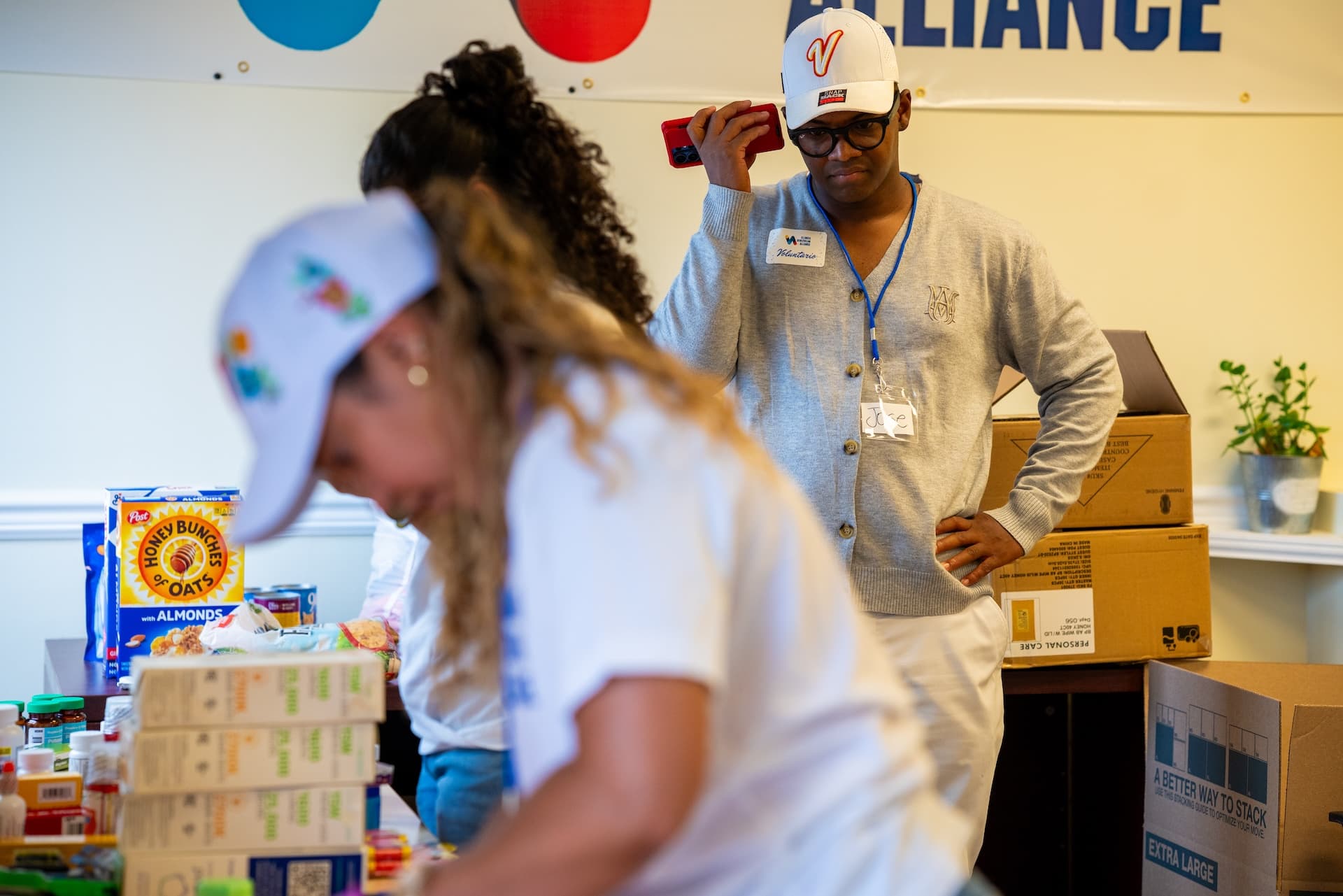
Volunteers packed boxes of rice, canned food, bandages and soap inside the Little Village headquarters of the Illinois Venezuelan Alliance last week, working the phones between shifts to check on relatives back home after two massive earthquakes tore through Venezuela.
The quakes, a 7.2 magnitude followed less than a minute later by a 7.5 magnitude tremor along the San Sebastian fault, struck late last month and left more than 1,700 people dead and thousands displaced, according to the U.S. Geological Survey. In response, the Illinois Venezuelan Alliance and a growing list of Chicago businesses organized a citywide donation drive for food, first aid supplies and hygiene products.
"It's catastrophic," said Luciano Pedota, executive director of the Illinois Venezuelan Alliance, who said the earthquakes have piled onto a country already strained by economic collapse and political instability. Pedota said the disaster has "exacerbated the crisis" for a population that had little cushion left before the ground shook.
The Alliance has turned its Little Village office into a hub for donated dry foods, first aid items and personal hygiene products, and it has recruited a network of partners across the city to serve as drop-off points. Auto Net Chicago, Rica Arepa, Issa's Venezuelan Restaurant and the group 11 Degree North are among the businesses that have opened their doors as collection sites, according to the Alliance.
On a recent Friday, volunteer Jose Corro paused between packing boxes to call a family member in Venezuela, checking on conditions as others around him sorted supplies into bins destined for shipment. Karla Colmenares, one of the volunteers who joined the effort, said the work is small compared to the scale of the disaster but still matters.
"This is a way to do the little bit that we can to help the people back in Venezuela," Colmenares said.
For some volunteers, the relief drive is also personal. Mariangel Canela, who left Venezuela and now lives in the Chicago area, said watching the disaster unfold from a distance carries its own weight.
"Those of us who have left the country and receive this kind of support feel this frustration or guilt for being here," Canela said. "This, in a way, comforts us and makes us feel a little more at ease knowing that we are indeed helping them."
Pedota said the response has had one unexpected upside: it has pulled together Venezuelan organizations across the Chicago area that hadn't previously worked side by side. Groups that once operated on their own are now coordinating drop-off schedules, sharing volunteers and combining donation runs.
"This is the kind of thing where a crisis brings people together," Pedota said.
The earthquakes hit a country that has already sent hundreds of thousands of migrants north in recent years, many of them settling in Chicago neighborhoods like Little Village, Albany Park and the Northwest Side. Reporting from Borderless Magazine has documented how economic collapse and political turmoil in Venezuela pushed many of those now volunteering in Chicago to leave in the first place. Organizers say the earthquakes have added a new emergency on top of conditions many families had already fled.
Images coming out of the hardest-hit areas, including the coastal city of La Guaira, show apartment buildings stripped open, personal belongings, including children's stuffed animals, hanging from cracked walls and exposed rooms. Rescue and recovery work has continued in the weeks since the quakes struck, even as displaced families search for shelter and basic supplies.
Colmenares said she hopes the response in Chicago extends beyond the Venezuelan community itself.
"It is a moment for everybody in the world to come together and show up the same way that I believe Venezuela has shown up for everybody for so many years," she said.
The Illinois Venezuelan Alliance has not set an end date for the donation drive and continues to direct people to its Little Village office and partner sites across the city for drop-offs. Pedota said the Alliance expects the need for supplies, and for volunteers willing to sort and ship them, to stretch well beyond the initial weeks of the disaster as displaced families in Venezuela wait for permanent housing and steady access to food and medical care.