Illinois Tollway Pitches Its Largest Toll Hike Ever to Fund $26.5 Billion Road Plan
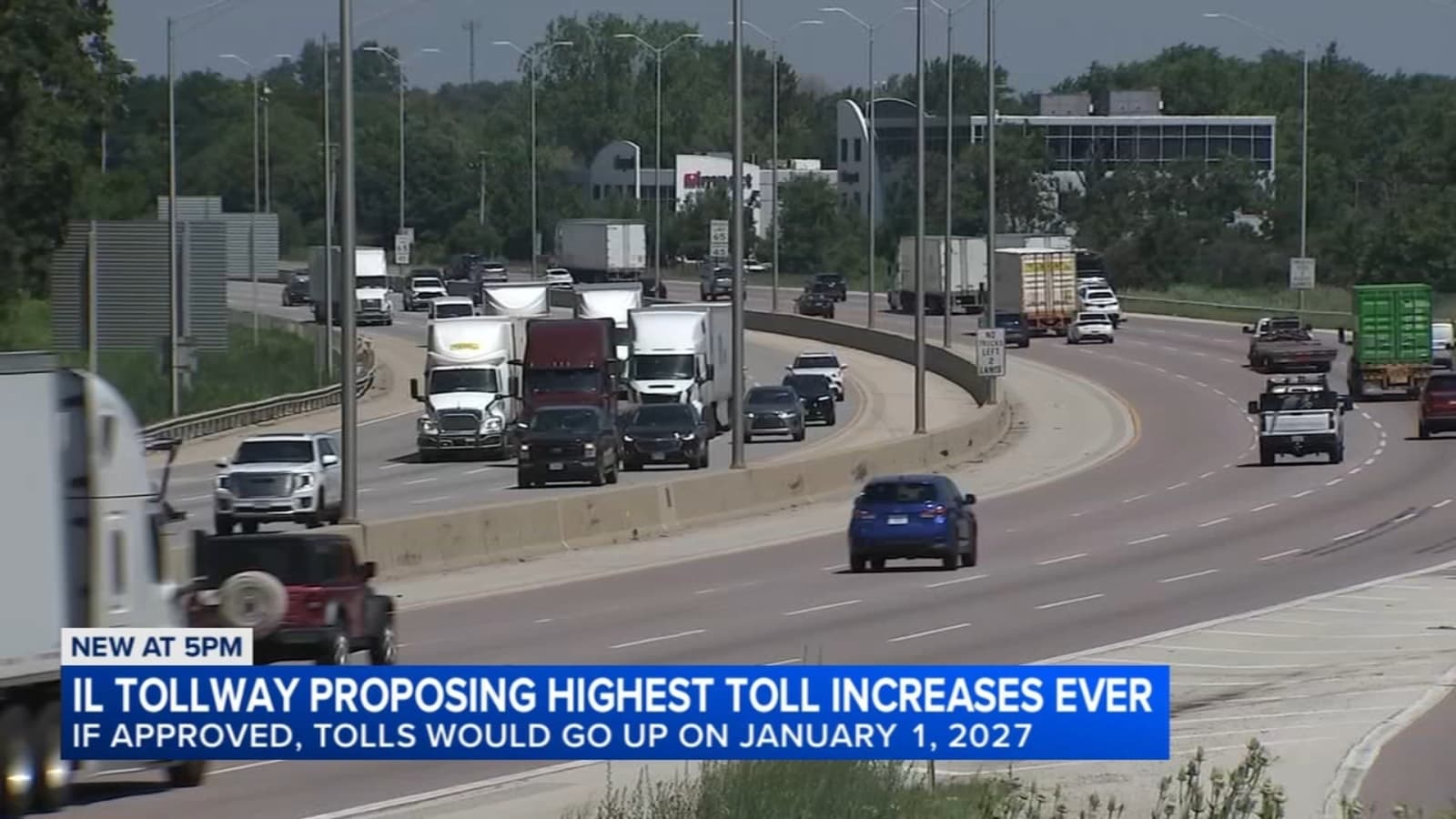
The Illinois Tollway wants drivers to pay more, a lot more in some cases, to fund the biggest construction plan in the Tollway's history, and it started making its case to the public Monday night in North Chicago.
The hearing at the Greenbelt Cultural Center was the first of 13 sessions scheduled across the region over the next two weeks, part of the Tollway's effort to gather feedback before any final vote on the rate increases. The Tollway is calling the underlying construction plan Driving Connections, a 15-year, $26.5 billion program meant to fund road and traffic improvements between 2027 and 2042.
Under the proposal, I-PASS users would see toll rates climb by roughly 45 cents per toll. Commercial vehicle rates would jump by about 30%. The Tollway says the changes would push the average passenger toll from about 7 cents per mile to 11 cents per mile, still below what the Tollway describes as the national average of 16 cents per mile. If approved, the increase would be the Tollway's first rate hike in more than a decade.
Drivers who showed up to the North Chicago hearing were not sold. "It's a disappointment. It's a disappointment," said Nancy Rankin, one of several residents who spoke against the plan. Chuck Stangl, another driver at the hearing, said the increase could push regular commuters off the Tollway system altogether. "I think if a person uses the Tollway that much, they're going to be finding a new way to work," he said.
The 30% commercial rate hike would raise costs further for truck drivers. Edward Burris, a self-employed truck owner and operator, said he currently spends about $300 a week on tolls running through Chicago and the surrounding area. Under the proposed increase, he estimated that bill would climb to nearly $400 a week. "It's not helpful, with the gas prices, and with the tolls," Burris said. "It's hard being an owner right now."
The trucking industry is warning that the cost won't stop with truckers. Matthew Hart, executive director of the Illinois Trucking Association, said his members move 95% of the manufactured freight moving through the state. He said that means almost everything sold in Illinois stores has been carried at some point by a truck that used the Tollway. "If you make it more expensive for us to get your goods to get the grocery store, you make it more expensive for us to get your building material to your project," Hart said. "Yeah, it's going to affect you. It's going to affect your pocketbook."
The Tollway has framed the increase as necessary to keep up with aging infrastructure across its system, which spans roughly 294 miles through northern Illinois, including the Jane Addams, Reagan, and Veterans Memorial tollways. The Tollway has gone more than ten years without a base rate increase for most drivers, even as construction and material costs have climbed. The Driving Connections program, according to the Tollway's own materials, covers large-scale projects aimed at easing congestion along with routine maintenance and rehabilitation work across the network.
The 13 public hearings run through July 24 and stretch from the north suburbs to Rockford and Dixon. After North Chicago's Monday session, hearings are scheduled Tuesday at Roosevelt University's Schaumburg campus and at the Huntley Park District Recreation Center, followed by sessions Wednesday at the College of DuPage in Glen Ellyn and the Markham Park District. The schedule continues into next week with stops in DeKalb, Rockford, Rock Falls, Romeoville, Aurora, Rochelle, and Belvidere, wrapping up July 24 at the Boone County Museum of History.
Each hearing gives residents, truckers, and other stakeholders a chance to speak directly to Tollway staff and submit written comments, which the Tollway says will factor into its final decision. No date has been set for a board vote on the rate structure, and the Tollway has not said whether it might adjust the proposed increases based on what it hears at the hearings.
For now, the numbers on the table remain unchanged: about 45 cents more per toll for passenger vehicles with I-PASS, and a 30% jump for commercial trucks, phased in as part of a program that won't finish paving and rebuilding until 2042. Drivers who want to weigh in have until the final hearing in Belvidere on July 24 to do so in person, with additional comment options available through the Tollway's website.