Huntley's Likely Tornado Struck in Silence — No Sirens Ever Sounded
Huntley's Likely Tornado Struck in Silence — No Sirens Ever Sounded
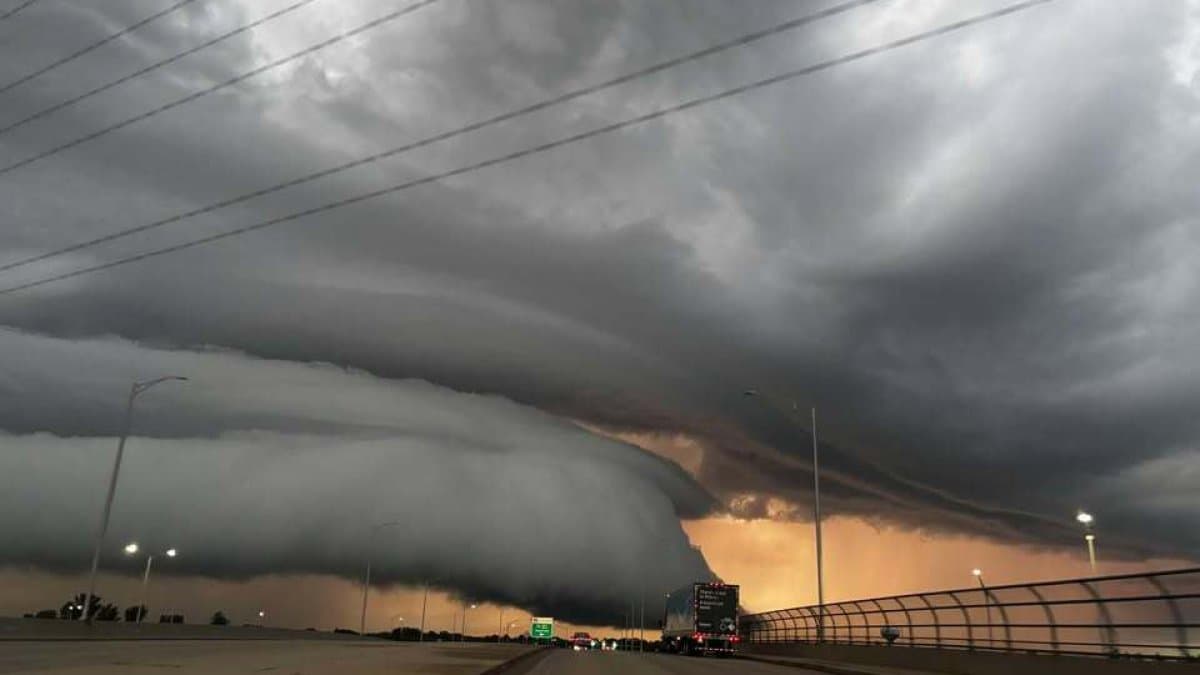
When a likely tornado swept through Huntley Wednesday evening, residents braced for the familiar wail of warning sirens. They never came — and the silence is now prompting hard questions about the gaps in the region's emergency alert system.
What Happened
Powerful storms tore through the western suburbs on Wednesday night, toppling trees and leaving a trail of damage across multiple communities. Forecasters identified a likely tornado touchdown in Huntley, though damage assessors have not yet officially confirmed the event or assigned it a strength rating. Despite the dangerous conditions, no tornado sirens activated anywhere in the village.
Huntley's police chief explained that the town's siren system is directly tied to alerts issued by the National Weather Service. When the NWS issues a tornado warning, it generates a geographic polygon on a digital map. If that polygon overlaps with the location of a siren, the siren automatically activates. Because no tornado warning was ever issued specifically for the Huntley area Wednesday night, the automated system never triggered.
Authorities also have the ability to activate sirens manually, but that option was not exercised either. Officials stated they had received no reports of a tornado or funnel cloud from trained weather spotters, and no additional guidance from the NWS that would have prompted a manual activation.
Why No Warning Was Issued
A meteorologist with the National Weather Service Chicago shed light on the decision-making process. Forecasters weigh several factors before issuing a tornado warning, including the longevity of a storm and their confidence that it is truly tornadic. In Huntley's case, meteorologists acknowledged the possibility of a brief tornado but said the atmospheric conditions did not support the threat of a strong or destructive twister.
"The possibility was there that there could be something brief, but the potential for a strong destructive tornado was just not there environment-wise," the meteorologist said.
The NWS did issue a tornado warning nearby — around 6:08 p.m. for portions of northeastern Kane County and northwestern Cook County — triggering sirens in Elgin and surrounding areas. But by that time, the storm system had already moved past Huntley.
Adding further complexity, the meteorologist noted that a severe thunderstorm warning had been issued around the same time and explicitly mentioned the possibility of a tornado. In fact, straight-line winds reaching up to 70 mph proved more destructive than the suspected tornado itself, downing trees and power lines across the Bartlett area.
A Broader Warning System Problem
The Huntley incident highlights a fundamental tension in how communities rely on tornado sirens for safety. The meteorologist emphasized that siren policies can vary significantly from one municipality to another, and the system carries inherent subjectivity.
"There's some variance, there's some flaws. There's a little bit of subjectivity that goes into it," the meteorologist said, urging residents not to depend solely on sirens for life-saving information.
The advice: treat any severe weather warning seriously, whether it is labeled a tornado warning or a severe thunderstorm warning. Residents are encouraged to have multiple ways to receive weather alerts — including wireless emergency alerts on their phones and NOAA weather radios — and to take protective action regardless of the specific warning type.
What Comes Next
The episode underscores how local warning infrastructure, even when functioning exactly as designed, can leave residents exposed during fast-moving or low-end tornado events. With storm season far from over, officials and meteorologists alike are calling on the public to take personal responsibility for their own preparedness — and not to wait for sirens before seeking shelter.