Federal Housing Cuts Threaten to Put Thousands of Chicagoans Back on the Streets
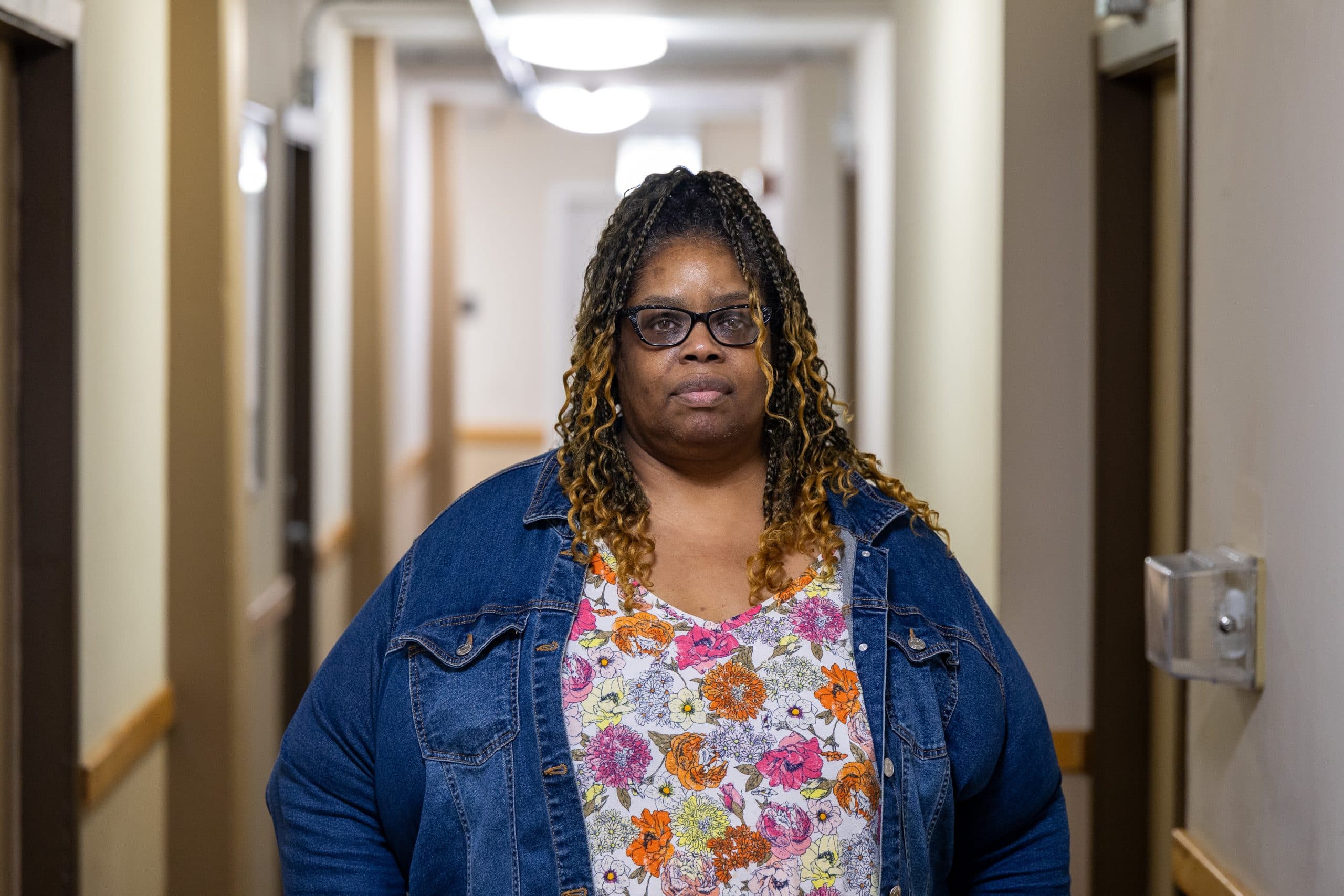
Mildred Jenkins spent a year in a shelter before she got her own apartment through Deborah's Place, a nonprofit that runs a federally funded Permanent Supportive Housing program in Lincoln Park. The unit came furnished. She had a bed, a table, dishes, and access to an employment specialist and health services in the same building. For Jenkins, it was the first stable ground she'd had in years.
That stability is now in question for her and thousands of other Chicagoans after the U.S. Department of Housing and Urban Development announced changes in June that shift federal homelessness funding away from long-term housing programs and toward shorter-term transitional housing and other services.
Permanent Supportive Housing pairs long-term rental assistance with voluntary support services, including mental health care, substance use treatment, and job placement, for people who have experienced chronic homelessness. Residents sign standard leases with no cap on how long they can stay. Transitional shelters, by contrast, phase people out after a set period. Deborah's Place, which serves nearly 700 women across Chicago, has about a third of its residents living in units funded through the program.
Kathy Wilson, executive director of Deborah's Place, said many of the women in her program have disabilities that make full-time work difficult, and their income from Social Security or disability benefits falls well short of market rent. If the funding disappears and the organization has to convert to transitional housing, she said, residents would get a subsidy for two years before losing it entirely.
"It's like going backwards 20 years to that old system that didn't work well, while we currently have a system that's working," Wilson said.
HUD's announcement, made June 1, reduces the share of the agency's largest homelessness grant program set aside automatically for permanent housing. In 2024, nearly 90 percent of that funding went to permanent housing projects. Under the new structure, 40 percent of next year's funding will instead be distributed through a competitive process built around different priorities, including transitional housing and other supportive services.
HUD Secretary Scott Turner defended the shift, calling the Housing First approach, which underlies Permanent Supportive Housing, a failed experiment. In a HUD press release, Turner said billions of taxpayer dollars had been spent on the model while homelessness climbed to record levels nationally.
Housing providers in Chicago dispute that framing. A coalition of homelessness prevention organizations estimates the funding changes put roughly $40 million at risk statewide. According to a report from the National Alliance to End Homelessness, the policy shift could cause 5,105 people across Illinois, including 3,247 in Chicago, to lose their housing through the program.
The federal government began folding Housing First into national policy in 2009. The model removes preconditions like sobriety, employment, or participation in treatment before someone can get housing, on the theory that stable housing itself is the foundation people need before they can address other problems. Kathleen Molnar, director of external resources at Sarah's Circle, a women's shelter in Uptown, said the approach that preceded Housing First often blocked people from getting help at all.
"What came before Housing First was a punitive and judgmental approach," Molnar said, arguing it kept people who weren't ready to meet strict conditions from accessing shelter or services in the first place.
The funding changes apply to grants and renewals beginning in 2027. HUD is currently accepting applications for that funding cycle through Aug. 26, leaving providers a matter of weeks to figure out how to structure their applications under the new rules, or whether their current programs will qualify at all.
Wilson said the wraparound model, pairing housing with on-site services, exists because stability lets people actually use the health care, addiction treatment, or job training available to them. Without stable housing, she said, those services become harder for residents to reach.
Jenkins, who now has steady housing through the program, said having her own apartment and a lease let her start rebuilding her life in a way a shelter bed never did. She worries about what happens to women who are just beginning that same process if the funding dries up before they get the chance.
Chicago housing providers plan to continue pressing HUD and Illinois' congressional delegation over the coming weeks as the Aug. 26 application deadline approaches. Whether the agency adjusts its funding formula before then will determine how many of the city's Permanent Supportive Housing units survive into 2027, and how many residents currently housed under the program end up searching for a bed again.