West Nile Virus Kills One in Chicago, State's First Death of 2026
A Chicago resident has died from West Nile virus, the Chicago Department of Public Health announced Tuesday. It is the first death from the mosquito-borne disease in Illinois this year.
The department reported the death alongside the city's first two human cases of West Nile virus for 2026. Officials did not release the identity of the person who died, their age, where they lived, or where the infection likely occurred. The announcement came days after the Cook County Department of Public Health reported the season's first four cases in suburban Cook County.
Department of Public Health Commissioner Garth Walk tied the cases to Chicago's wet summer. "2026 has seen the rainiest summer in Chicago in years, giving mosquitoes ample opportunities to breed," Walk said in a news release. "The best way to protect yourself from West Nile virus is to avoid mosquito bites and take measures to stop them from breeding around your home."
Midway Airport recorded more than 20 inches of rain between June 1 and early August, well above the roughly 13 inches the Southwest Side airport typically sees over that stretch. Flooded basements and downed trees followed several rounds of heavy storms this summer. Standing water left behind by that rain gives mosquitoes places to lay eggs, and the department says cases tend to climb in wetter years.
Illinois Department of Public Health Director Sameer Vohra called the death "a sobering reminder to take mosquito-borne illness seriously."
Most people bitten by an infected mosquito never feel sick. City health officials say about one in five people who contract West Nile virus develop a fever and flu-like symptoms, while severe illness, including neurological complications, occurs in roughly one in 150 cases. Most severe cases are in people over 60. There is no specific medication to treat the virus once someone is infected, and the health department says avoiding bites remains the main way to prevent it.
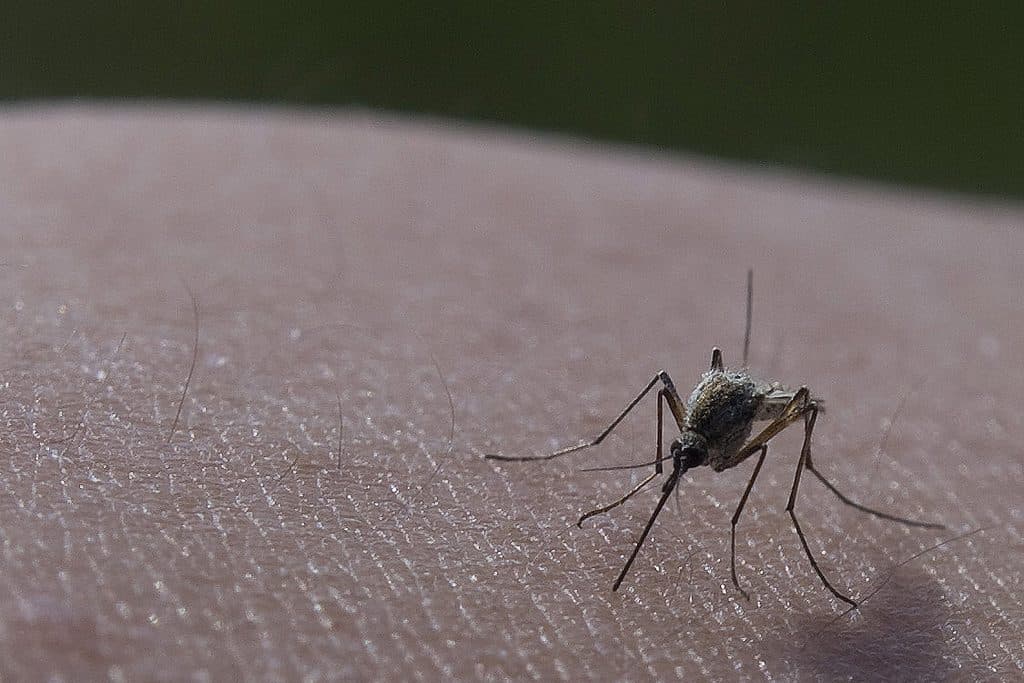
West Nile virus spreads to people through the bite of an infected mosquito, not from person to person contact. In Illinois, the primary carrier is the Culex mosquito, commonly called the house mosquito. City officials have had to draw that distinction this summer because many Chicagoans reported more mosquito bites than usual. The department says the increase is largely due to a growing population of Asian Tiger mosquitoes, an invasive species that bites aggressively during the day but does not transmit West Nile virus.
To cut down on the virus-carrying mosquitoes, the health department has sprayed insecticide targeting adult mosquitoes in 15 community areas over the past several weeks: Beverly, Burnside, Chatham, East Garfield Park, Lower West Side, Morgan Park, Near West Side, North Lawndale, O'Hare, Pullman, Roseland, South Deering, Washington Heights, West Lawn and West Pullman. The city also treats more than 80,000 catch basins with larvicide, a chemical meant to kill mosquito larvae before they mature, as a year-round part of its mosquito control program.
Health officials are urging residents to take their own precautions as the season continues. They recommend using an EPA-registered insect repellent containing DEET, picaridin, IR3535 or oil of lemon eucalyptus, and eliminating standing water around homes at least once a week, including in flowerpots, gutters, pet dishes and birdbaths. Keeping grass and weeds trimmed removes places for adult mosquitoes to rest during the day. Officials also advise wearing loose, light-colored long sleeves and pants outdoors between dusk and dawn, when Culex mosquitoes are most active, and making sure window and door screens are free of gaps.
West Nile virus season in Illinois typically runs from late summer into early fall, with cases and deaths reported as late as October in past years. The Chicago and Cook County health departments say they will continue mosquito surveillance and spraying based on trap results through the coming weeks, and will report additional human cases as they are confirmed.