Chicago Mayor Johnson Warns of $882 Million Budget Gap for 2027
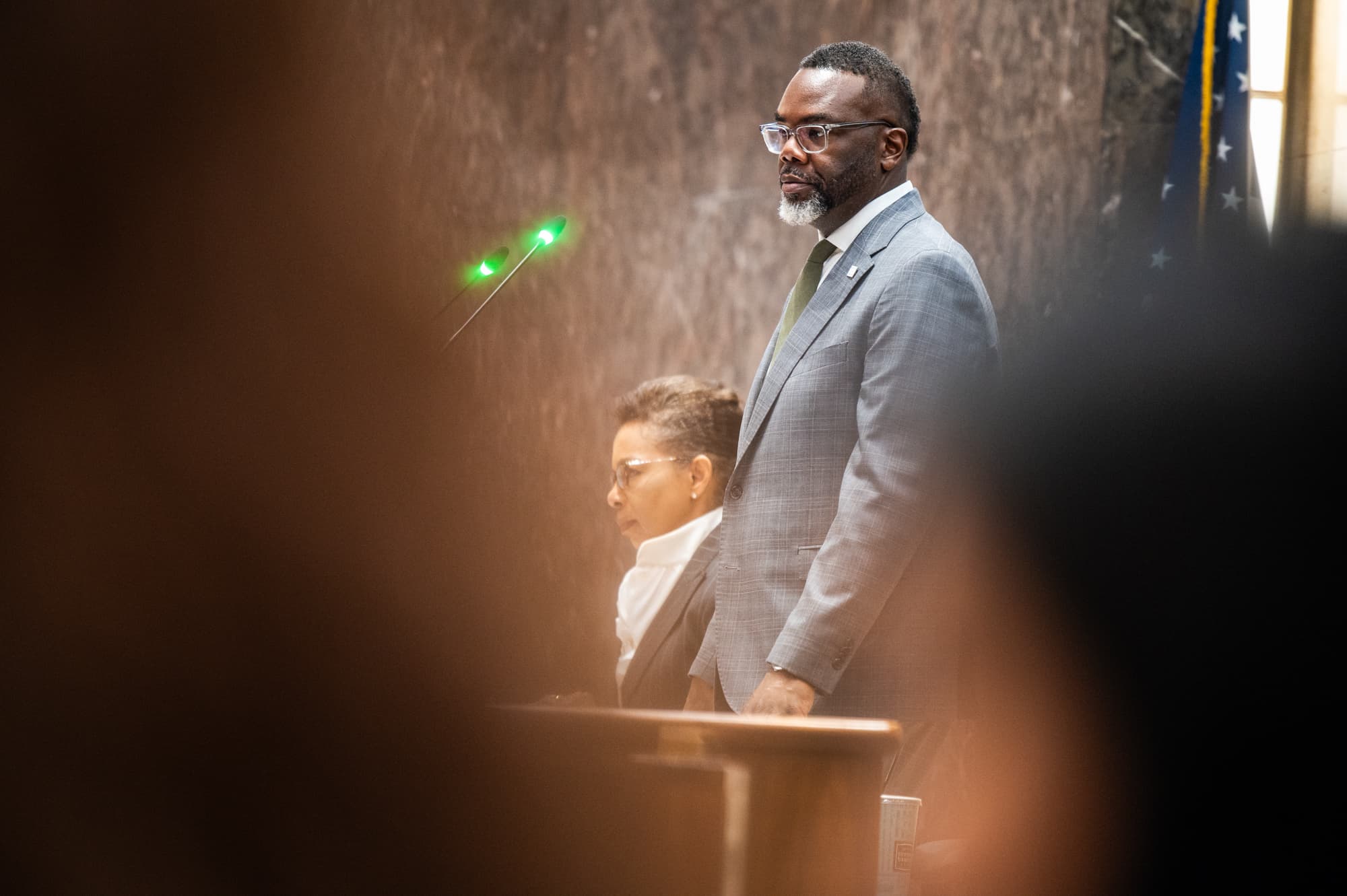
Chicago's corporate fund is projected to run an $882.4 million deficit in 2027, Mayor Brandon Johnson announced Thursday. The announcement opens a budget season that will again test his relationship with a City Council that overrode his revenue plans last year.
The number is smaller than earlier projections that had put the 2027 shortfall above $1.1 billion, and Johnson's budget team credited the improvement to cost efficiencies across city departments and revenue that outperformed expectations from the online sports gambling tax and the Personal Property Lease Transaction Tax, a levy on cloud computing and other services.
Corporate fund revenue is still projected to fall six percent, or $375 million, next year, according to budget materials released Thursday. City officials attributed the drop to the loss of one-time revenue sources used in 2026, including a smaller Tax Increment Financing surplus and revenue the Council had counted on from a plan to sell city-owed debt to outside collectors that never materialized.
Acting budget director Jonathan Ernst said the projected TIF surplus for 2027 could reach $330 million or more, with roughly $75 million of that flowing to the city, though he cautioned the figure could shift before Johnson's budget address next month. The city posted a record TIF surplus of more than $1 billion last year.
On the spending side, expenditures are expected to rise by more than $500 million in 2027. Higher bond and pension payments, scheduled cost-of-living raises for city workers, and what officials called "legacy settlements" tied to police misconduct cases are driving the increase. The forecast sets aside about $400 million for anticipated settlements and judgments related to police misconduct lawsuits, Ernst said, and includes a $364 million supplemental pension payment as part of the city's effort to shore up its pension funds.
Johnson did not lay out specifics Thursday for how he intends to close the 2027 gap. He said he would keep pursuing what he calls "progressive" revenue options, pointing to last year's proposals that targeted corporations and wealthier residents.
"I've kept my commitment to challenging corporations and those with means to put more skin in the game," Johnson said. "The proposals that we put forward that have called for structural changes to our budget again have over-performed, and that's going to remain my focus. And obviously, when I present my budget in a little bit over a month, you can anticipate that that will remain my focus."
Johnson stopped short of ruling out a property tax increase in his 2027 budget proposal, though alderpeople facing voters in the February city elections would likely resist one.
The forecast lands amid unresolved tension between Johnson and a bloc of alderpeople over how the city is implementing this year's budget. The City Council rejected Johnson's proposed corporate head tax last year and instead passed its own "alternative budget," which Johnson neither vetoed nor signed. That plan legalized video gambling machines in bars and included a proposal to sell city-owed debt to outside collectors, a revenue source that has since failed to materialize as expected.
Johnson's original 2026 proposal, unveiled in October, had included a per-employee corporate head tax on larger companies and a fee on large social media companies charged per user. Alderpeople objected almost immediately, particularly to reviving the head tax, which Chicago charged businesses from 1973 until it was phased out in 2014 after critics said it discouraged hiring. The Council crafted its own revenue package instead, avoiding the head tax altogether.
The city is also still working to close an $85 million gap in the current 2026 budget. Johnson last week said his administration will refinance eligible 10-year-old city bonds next month, generating an estimated $65 million to $71 million in savings. City officials said they may tap remaining COVID-era American Rescue Plan dollars and a grant management fund to cover what's left.
The 2027 budget forecast is an early step in a process that will play out over the coming months. Johnson is expected to deliver his formal 2027 budget proposal to the City Council in October. Weeks or months of negotiation will follow before a required vote by Dec. 31. That timeline puts the final budget decision just weeks before Chicagoans head to the polls in February to decide whether Johnson and his Council allies keep their seats.