Chicago City Council Votes to Buy Greyhound Bus Terminal for $19.2 Million
Chicago City Council Votes to Buy Greyhound Bus Terminal for $19.2 Million
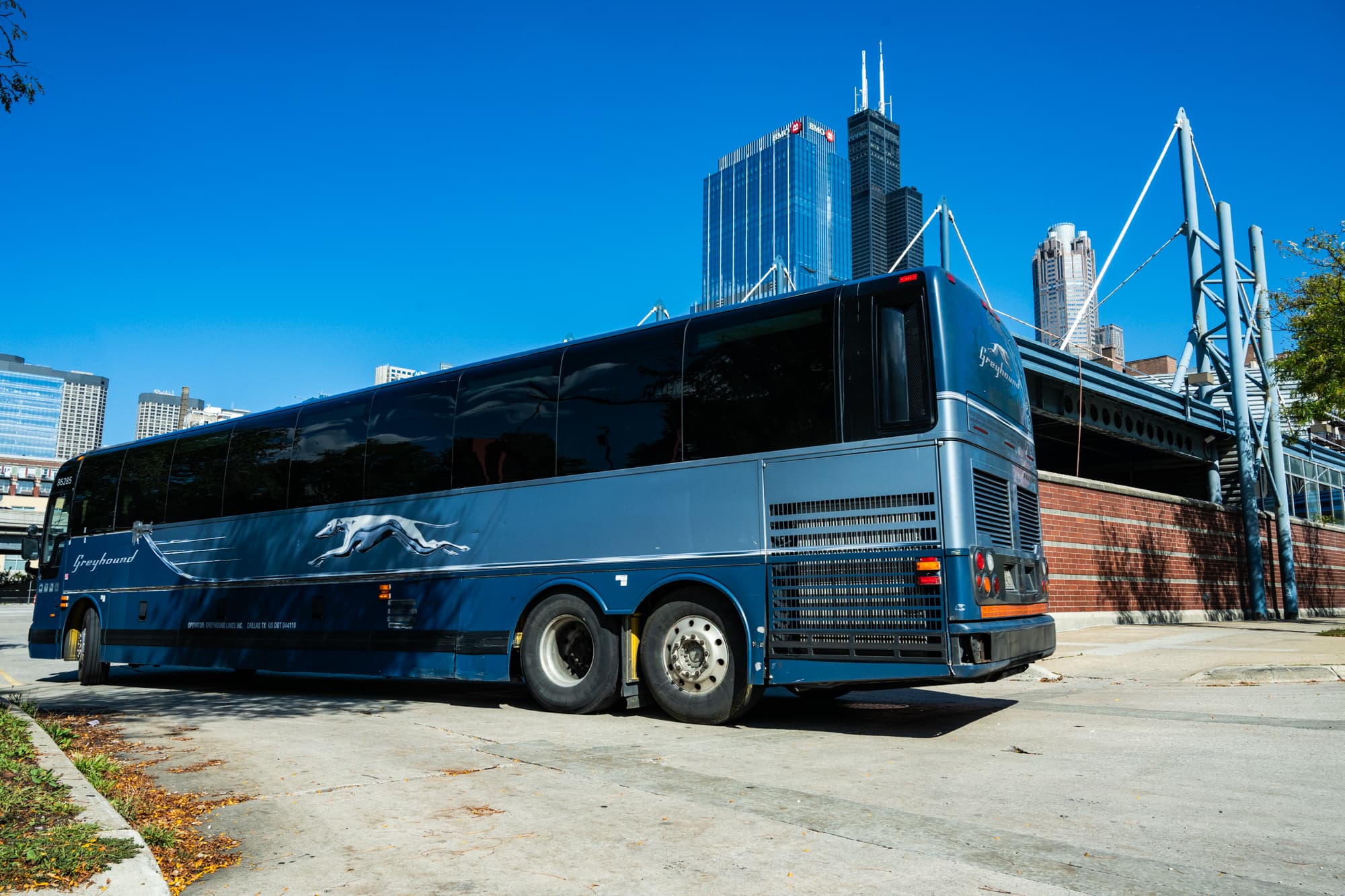
Chicago will take public ownership of its only intercity bus terminal after the City Council voted 38-10 Wednesday to approve a $19.2 million purchase agreement for the Greyhound station at 630 W. Harrison Street on the Near West Side — a move that rescues a critical transit hub that had been teetering on the edge of closure for years.
Saving a Lifeline for Half a Million Riders
The terminal, which has served intercity bus riders since the late 1980s, handles roughly 450,000 to 500,000 passengers per year. It hosts Greyhound, FlixBus, Jefferson, and Baron bus lines across its 24 bus bays. Had the station shuttered, Chicago would have become the largest city in the northern hemisphere without an intercity bus terminal — a distinction officials were desperate to avoid.
The station's future had grown increasingly precarious after its long-term lease expired, leaving the facility operating month-to-month with property owner Alden Global Capital. The threat of closure raised alarm that bus carriers would be forced to load and unload passengers on city sidewalks, creating dangerous congestion.
"There are people in our city that cannot afford to go to Midway or O'Hare … but yet still need to have a viable mode of transportation," said one alderman whose ward borders the station.
How the Deal Works
The purchase price of $19.2 million will be supported in part by the expansion of the Canal/Congress Tax Increment Financing district to encompass the terminal, meaning the funds will not come directly from the city's strained general budget. An additional $30 million has been budgeted for repairs and upgrades to the aging facility — which assessors found has deficiencies in its roof, HVAC system, windows, and exterior doors — though that figure still requires a separate City Council vote.
Under the terms of a transition agreement, the current operator will continue managing day-to-day station operations for up to 12 months after the sale closes, covering utilities, insurance, janitorial services, security, and nonstructural repairs. The city will be responsible for major capital improvements. Chicago also plans to launch a request-for-proposals process to select a long-term third-party contractor to operate the terminal going forward.
Debate on the Council Floor
The vote was not without opposition. Some aldermen raised pointed concerns about whether a cash-strapped city should be taking on a property purchase and the operational responsibilities of running a bus station, with critics warning that total costs could balloon to $50 million or more.
"We shouldn't be in the business of buying property; we should be in the business of selling property," said one dissenting alderman, voicing skepticism about the city's financial capacity for the project.
But supporters argued the human stakes were too high to walk away. The alderman representing the station's district, who acknowledged he was initially among the project's biggest skeptics, said he came around after reviewing the transition plan and meeting with residents and city departments. He warned that inaction would leave hundreds of thousands of vulnerable riders — including older adults, low-income residents, and people with disabilities — without shelter or reliable access to intercity travel.
"Those nearly half a million riders are not powerful people," he said. "They don't have lobbyists, they don't write campaign checks, but they are people that matter."
What Comes Next
With the purchase approved, the city moves toward closing on the property and launching the search for a private operator to manage the terminal long term. The broader question of funding the estimated $30 million in needed renovations will return to the City Council for a future vote. Mayor Brandon Johnson had championed the purchase, with officials arguing public ownership could help lower overhead costs for bus carriers and potentially expand intercity service options for Chicago-area residents. The terminal's fate — and its role as an affordable transportation gateway for the city's most transit-dependent riders — now rests on how smoothly that transition unfolds.