Chicago-Area Businesses Lost $1.2 Billion Since ICE's Operation Midway Blitz Began, UIC Study Finds
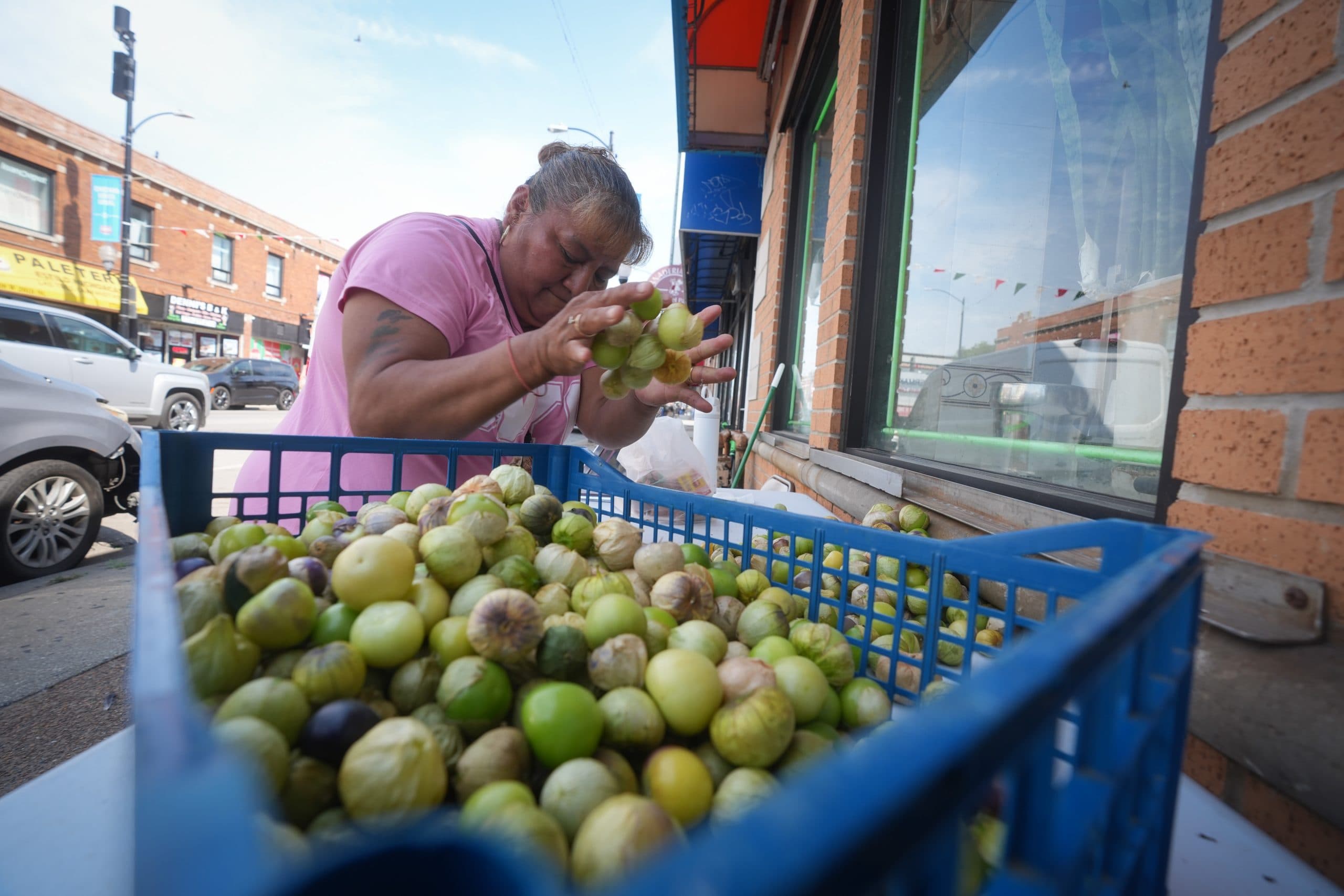
Yadira Rojo checks her phone during slow shifts at Supermercado El Ranchito in Brighton Park, scrolling social media for reports of ICE agents nearby before deciding whether to expect customers at all. The 30-year-old grocery store and taqueria, a fixture on Chicago's Southwest Side, now sits with empty aisles and untouched tables on many days, a pattern Rojo and other business owners across Cook County say has become routine since federal immigration enforcement intensified a year ago.
A report released by the Great Cities Institute at the University of Illinois Chicago puts a dollar figure on what shop owners like Rojo have been describing anecdotally for months. Researchers estimate that Cook County retail and restaurant businesses have lost roughly $1.26 billion in commercial activity and about $107 million in tax revenue since Operation Midway Blitz began. The study describes the loss as commerce that never happened, not spending that simply moved elsewhere.
Matt Wilson, a senior associate director at the Great Cities Institute who co-authored the report, said the sharpest change shows up in the connections between neighborhoods with large populations of Latin America-born residents and the rest of the county's economy. Researchers used anonymized cellphone location data to track foot traffic and matched it against Census spending records to convert the decline into dollar figures. The analysis found residents from those neighborhoods made roughly 25 million fewer shopping and dining trips to businesses outside their own communities since enforcement ramped up, with suburban retail shops and restaurants absorbing the biggest hit.
"Residents made substantially fewer trips to businesses elsewhere in the county, and that sustained decline meant fewer customers for businesses and less commercial activity across Cook County," Wilson said.
The pattern matches what reporters heard directly from more than a dozen business owners, workers and residents interviewed in the weeks before the one-year anniversary of the operation. In Little Village, Angelina Mendez says the regulars who kept La Chaparrita Grocery running for decades have thinned out by more than half. The customers who still come in visit less often than they used to, she said.
"There are customers that do not come anymore and those that do come, come less frequently. The customers are scared," Mendez said in Spanish. "At this moment, this is the new normal."
Rojo describes a similar dynamic at her store, where she says fear extends beyond people who lack legal status. She said friends and family members born in the United States have told her they avoid public spaces because they worry their appearance or last name could get them detained regardless of citizenship.
"I have heard from family and close ones born here that say they do not feel safe because they think that because of your appearance you can be detained," Rojo said in Spanish. "You run the risk that because you have a Hispanic last name you could be detained."
Operation Midway Blitz launched in Chicago last year as part of the Trump administration's expanded immigration enforcement push. Federal data compiled by the Chicago Tribune shows the operation led to roughly 3,800 detentions and about 2,500 deportations, with most of those deported having no criminal record, despite the administration's stated focus on removing violent offenders.
Reporters asked the U.S. Department of Homeland Security to respond to the report's findings. The agency did not answer specific questions about the economic data and instead sent a statement it has issued to multiple news outlets this year disputing any connection between immigration levels and economic health. The statement maintains that Midway Blitz has removed what officials describe as "the worst of the worst criminal illegal aliens" from Chicago.
Fred Tsao, an attorney with the Illinois Coalition for Immigrant and Refugee Rights, said the financial toll documented in the report is a reason to reverse course on the enforcement campaign.
"The focus should be on policies and programs that are welcoming of immigrants and enable them to work and thrive in this country," Tsao wrote in a statement.
For business owners like Rojo and Mendez, the report offers little beyond confirmation of what they have watched unfold register by register over the past year. Both said they don't expect foot traffic to recover as long as enforcement operations continue at their current pace. The Great Cities Institute report does not project when or whether the lost commercial activity might return, leaving business owners in Brighton Park, Little Village and other immigrant-heavy neighborhoods to track ICE sightings on social media and adjust their staffing and inventory day by day.